So you’re looking at buying some property. That can be quite the overwhelming process. Luckily, it doesn’t have to be. There are so many articles and bits of information on what to look for. Today, I’ll be talking about mine and my husband’s own experience of buying land and a few things we completely didn’t consider – these are factors we don’t hear people mentioning often but are so important!
This blog is dedicated to helping others not make the same mistakes we did, especially if you’re on a budget like us. Now don’t get me wrong, we love our property and our home, but there are definitely factors we didn’t consider that we then had to work with, which did impact our budget.
So here are 5 mistakes we made when buying property that we hope helps you find the dream spot you’re looking for.

- Watch out for rocks.
I mean it. My husband and I were so excited when we found our little slice of heaven, that we didn’t think once about all the large rocks and boulders scattered throughout the property.
When we secured our property, we immediately got to work.
We had big plans for planting orchards, perennial & annual gardens, vegetable gardens, augering in holes for fences and concrete footings for various structures… yeah, that ended up not being as easy as we thought.
Turns out we bought our property in the Land of a Thousand Rocks.
Creating a garden bed meant an extra few hours of pulling out rocks – both small and large. Digging holes for our fruit trees was the same. We were so lucky whenever we dug a hole deeper than a foot without finding a rock. Some were just so large we had to completely abandon the holes and pick new spots (and hope there wasn’t another rock there too).
We had to spend the money and pour a concrete pad for our garage, because we simply couldn’t auger a single hole past 2 feet (We’re in Canada, so we need to get footings in below the frost line), and we definitely had no room in our budget for boring or blasting through rock.
Luckily, we invested in a tractor that helps us out so much. Without it, we wouldn’t have gotten far. On top of that, we’re able to use all the rocks as interesting additions to landscape design projects, garden beds, quiet sitting spots, and rock walls! But of course, moving the rocks would be near impossible without that tractor.
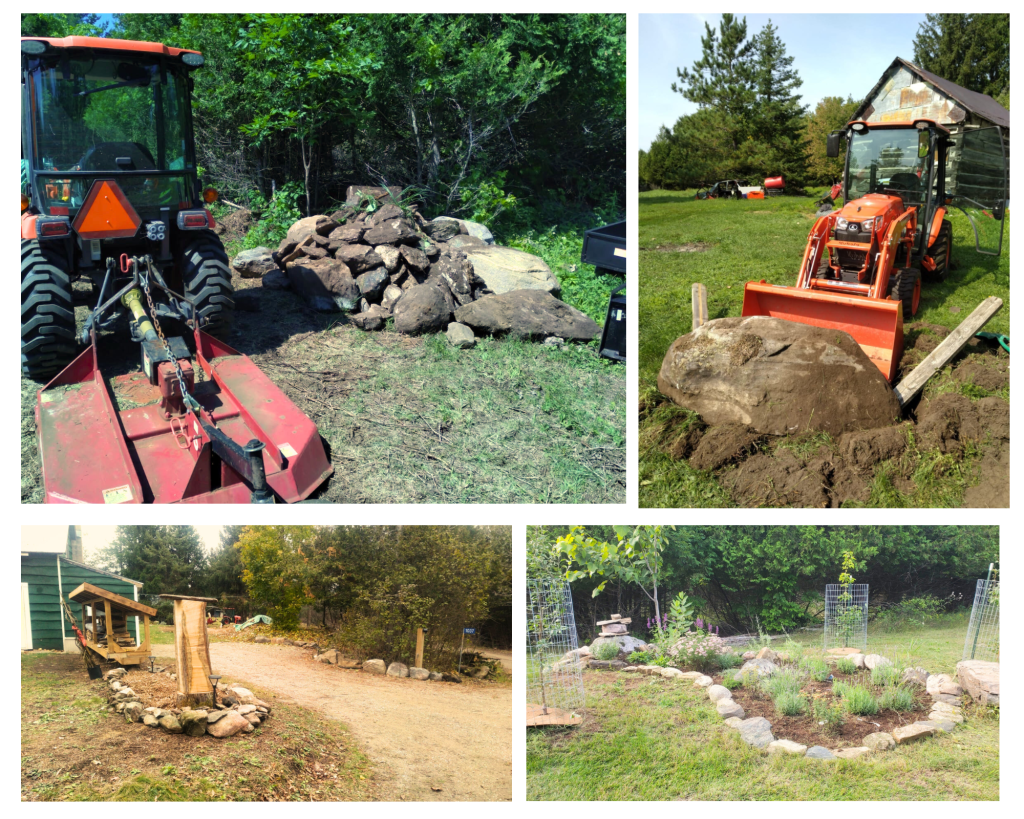
Although all the rocks aren’t ideal, we’ve learned how to work with and around them. But if this isn’t something you’re interested in, or you don’t have room for a tractor (or blasting and boring into rocks) in the budget, I’d suggest doing thorough research on the geographical and geological make-up of the area you’re looking at to avoid all the extra work we ended up having to do.
2. One word: insects.
It’s so important to take note in what month you visited a property you’re interested in buying. Here’s why:
My fiancé and I first visited our property at the end of April 2021. We put in an offer, it was accepted, and then the paperwork process took just over a month. We got to work at the beginning of June as excited new homeowners.
It turns out that when we visited the property for the first time in April, we had just missed black fly season. During the paperwork process when we were back in the city, we missed the worst of the mosquitos (although they’re present all summer, they seem to be more aggressive here in May when they first get hatching).
And throughout all of June, the mosquitos and other insects were very manageable. We had definitely expected to experience a lot more insect populations out in the country, but because we had missed black fly and mosquito season, we thought we had lucked out.
And then came July. Deer fly and horsefly season. They were so bad that 90% of the property was unwalkable without a bug hat, long pants and long sleeves. I wouldn’t mind if they were just annoying, but they have a bite that hurts. Here you can see a picture of me braving the deer flies with my bug hat – somehow I was bold enough to go out in short sleeves.

So we had to learn to adapt to these 3 months of the year where certain biters and stingers were going to bug us a little bit more. Sure, it’s not ideal for productivity, especially when you’re trying to build and grow. But we’ve learned to adapt and deal with it by brush cutting and canopy raising (to increase air-flow) in areas we frequent. We love that the rest of the year is bug free (Except for ticks, but of course we also take on preventative maintenance tasks to minimize contact with those).
The overall takeaway here is that if you really don’t want to deal with aggressive insects, take note what months you’re visiting properties in, and do some research on the areas you’re interested in (more detailed steps in the conclusion below).
3. Living in harmony with deer.
Of course living in the country on a piece of land means you’ll be seeing more wildlife. However, your have to expect the unexpected when it comes to planting trees, vegetable plants, and flowers.
We learned really quickly the value of planting “deer resistant” plants. Sure, technically there’s no such thing as a deer resistant plant, but they definitely prefer some types of plants over others. In this way, we had to get creative on how to protect certain plants.
For example, we planted an Orchard of apple, pear, and cherry trees. We knew enough to understand that deer would be particularly attracted to young trees, so we caged in each tree to protect them as they establish in the first few years. Over the winter, 2 feet of snow dropped, and then we experienced a few days of extreme cold temperatures. The snow froze right over, allowed the deer to walk on top of it without sinking in, and were therefore now taller than the protective cages. They reached right in and happily munched on all the fruit trees. Who would’ve thought?
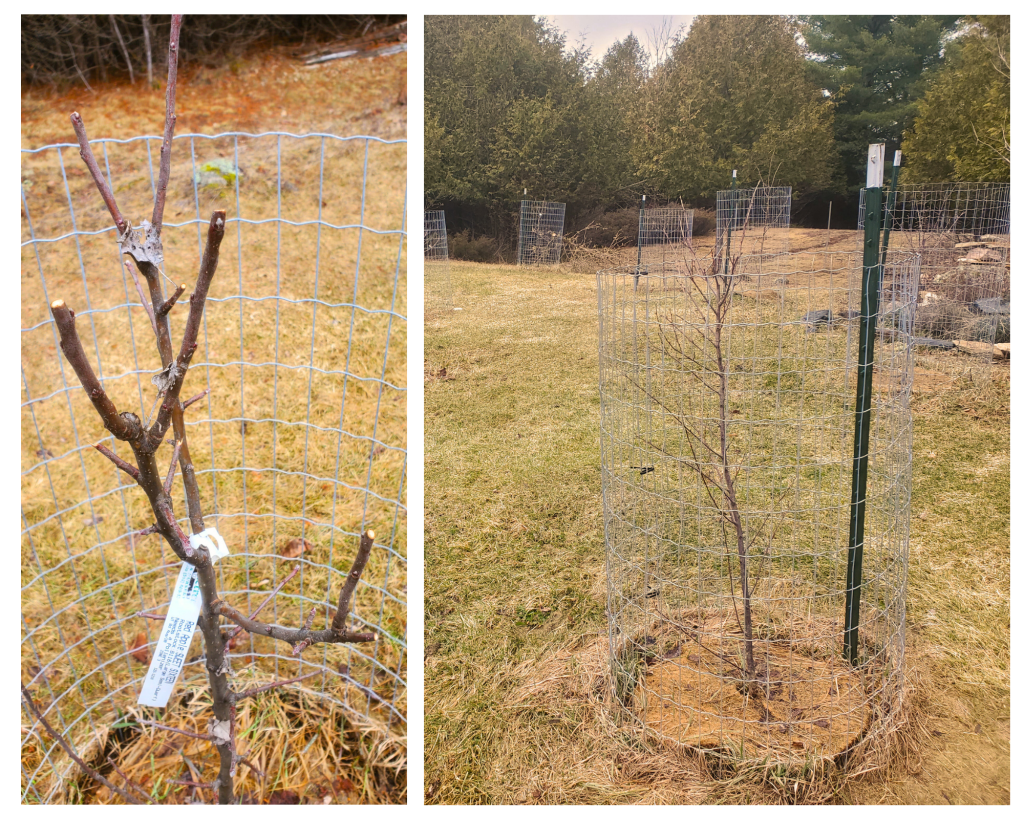
Living in a remote area with lots of wildlife around you means that you will inevitably experience some plant losses. Doing yourself the favour of starting with plants known to exhibit a higher resistance to deer will save you a lot of time and money.
The more expensive plants (such as apple trees) would benefit from being planted in areas where deer frequent less often, or add extra protection to these young plants until they have reached an age of maturity where having a few branches nipped by deer won’t severely impact their health. In our case, next winter we’ll also be experimenting with fishing line and empty cans surrounding each tree cage – the locals have shared this is an effective way to scare deer away.
4. Help is not on the way
I know that sounds bleak. But if you’re looking to buy land, there is a chance your location may be quite remote.
In our situation, we moved three hours away from the city. We expected and understood that amenities and services would be further away. My husband and I were totally fine with that. After all, the reason we relocated was to live a more self-sufficient lifestyle.
We prepared ourselves for anything: we have jarred what we grow in the summer, as well as keeping extra store bought canned food specifically for emergencies. We’re ready with candles, matches, a reliable source of freshwater, first aid kits, a back-up generator, you name it. We made sure to know where the nearest hospitals, fire stations and EMS stations were. We have the local volunteer firefighter station 10 minutes away, but everything else is over thirty minutes away.
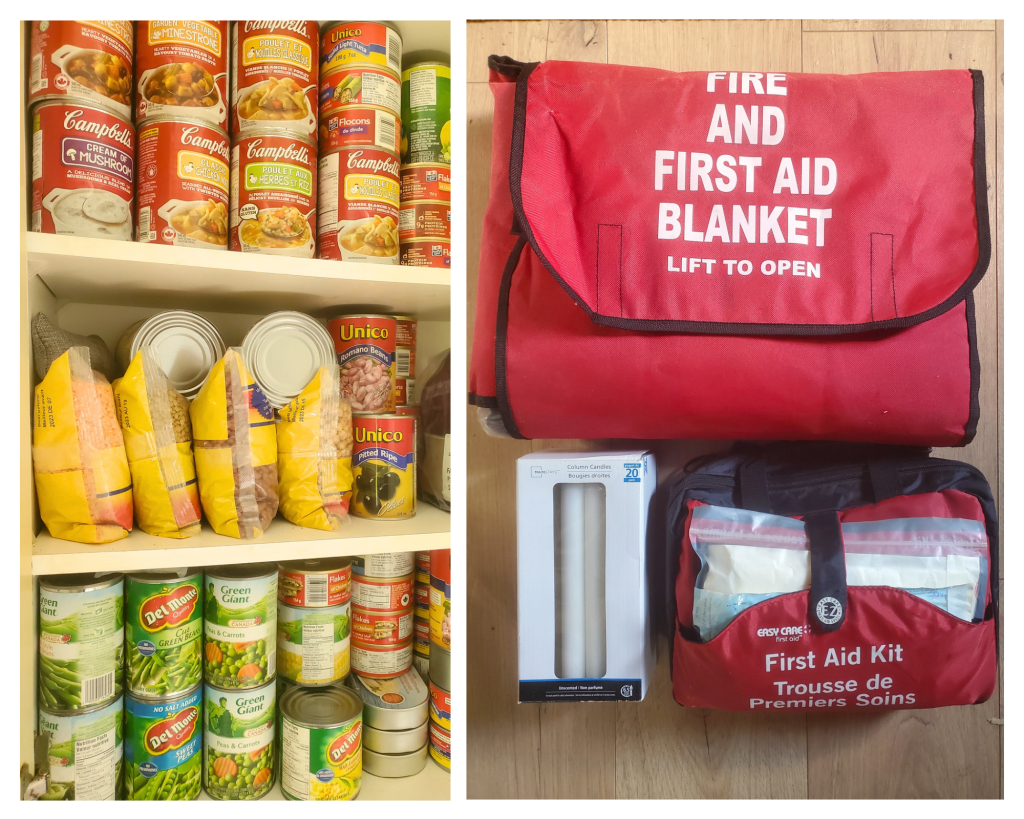
We haven’t had to use any of our major emergency supplies yet. But having severe storms cut our power for days on end, or seeing our road covered in 3 feet of snow without knowing just when we’ll be able to drive out again makes us feel secure knowing that we are prepared for lots of different situations.
The takeaway here is that county life has lately been portrayed as idyllic, easy, and peaceful, especially on social media. I’m here to tell you that while it’s peaceful, it’s not easy. And being prepared for anything is so important when extra assistance is not as close or accessible as it is in cities. You may be creating a budget in your head regarding all your future plans to build and grow – but it’s important to remember to keep a section of your budget reserved for emergency preparedness in a remote location. Better to have it and not need it, then need it and not have it, right?
5. The law of the land: Road allowances, EPA’s, and Zoning
When we bought our property, we knew to look into any Environmentally Protected Areas or specific zoning that would restrict us from building or growing on the land. If you haven’t been considering these as important aspects of your research when buying land, I’d suggest you definitely add it now, even if you’re not planning to build or grow on your property.
What caught us off guard was buying our property and then learning we had a road allowance running along a part of it – specifically an area where we wanted to plant crops. A road allowance is a section of land reserved in the event a future road needs to be built to service lots.
Depending on where you’re located, this type of information will vary – but normally you cannot alter this strip of land in any way without approval from your local township, municipality, county, etc.
Before purchasing, obtain the most recent survey or deed showing property boundaries and road allowances. Local township resources and maps should also be able to help you with finding information on easements, environmentally protected areas, or specific zoning. We’re also in a situation where one of our property boundary lines is pretty unclear – you definitely don’t want to find yourself walking on property that isn’t yours and being charged with trespassing!
That being said, double check about on of these factors before buying property to see if it will impact your future plans.
Key Takeaways
If you’re looking to buy land, remember that you may encounter certain obstacles you may have not expected that many people don’t often talk about:
- Rocky land and the impact this may have on your plans to build and grow.
- Different insect seasons vary by location and they can affect your ability to enjoy your property, as well as get things done.
- Living with deer populations and understanding that you may have to put in extra protection efforts to make sure they don’t decimate your plants.
- Understanding that nothing is as accessible as it used to be, so you need to be prepared for anything and account for this in your overall budget.
- Knowing everything about road allowances, easements, zoning, and environmentally protected areas within your area of interest will allow you to plan accordingly and see if the property you have in mind will suit your needs.
Remember, there are lots of resources out there to help you find this information. Researching the geographical and geological aspects of a given area, getting information from a real estate agent, asking the seller questions (or if not possible, asking their real estate agent to relay your questions), asking locals questions if given the opportunity, visiting township websites or offices, and even searching for the area’s local Facebook groups may assist you in your journey to finding that perfect piece of property for you.
In the end, this is just based off of our own experience with buying property. If you’ve already taken the leap, we would love to hear from readers about their own unexpected struggles when it came to buying land!
Thanks for reading, and stay tuned as we share more of what NOT to do on a homestead!





 No Fret Homestead
Leave a reply to How to Perfect Your Modern Vintage Living Room Décor & Design – No Fret Homestead – We Make The Mistakes So You Don’t Have To Cancel reply